
Last Updated 1 month ago by Emily Standley-Allard
For decades, alcohol has been deeply woven into the way people celebrate, socialize, unwind, and cope with stress and anxiety. A glass of wine after work, cocktails with friends, or drinks at social gatherings have long been normalized as tools for relaxation and connection. Yet growing research surrounding alcohol’s long-term effects on sleep, inflammation, mental health, aging, and overall wellness has caused many people to rethink that relationship.
As wellness culture evolves, a noticeable shift is taking place. More individuals are searching for alternatives that can help them feel relaxed, socially at ease, emotionally uplifted, or mentally calmer—without the hangovers, dependency risks, blood sugar crashes, or physical toll often associated with drinking.
That growing curiosity has sparked interest in a new generation of natural alcohol alternatives designed to support mood, stress relief, and social comfort in different ways. In this article, we’ll explore three of the most talked-about options and how each may offer a different path toward relaxation, emotional balance, and overall well-being without relying on traditional alcohol products.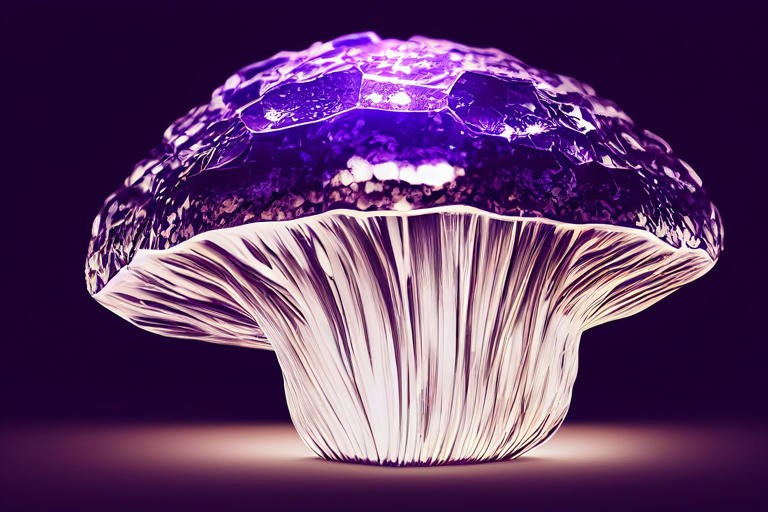
Crystal mushroom© Pixabay.com
Disclaimer: This article is for informational purposes only and is not medical advice. Always consult a qualified healthcare professional before making any changes to your health or wellness routine.
3 Natural Alcohol-Free Alternatives
1. Hard Ketone
What is Hard Ketone?
Hard Ketone is a beverage made from exogenous ketones, which are compounds that mimic the metabolic effects of fasting or a ketogenic diet.
These ketones can provide an alternative energy source for the body, particularly for the brain, and can induce a state of mild ketosis without the need to follow a strict low-carb diet.
Hard Ketone is often described as offering a different kind of social and mental experience compared to traditional alcoholic beverages—one centered more around clarity, calm, and functional relaxation rather than impairment.
Potential Benefits:
- Mental Clarity and Elevated Mood: Because ketones serve as an efficient fuel source for the brain, many users report feeling more focused, mentally sharp, and uplifted, with a subtle sense of well-being rather than the fogginess commonly associated with alcohol.
- Support for Stress Reduction: Ketones may help promote a steadier mood by supporting balanced energy levels and reducing inflammatory responses in the body, which can contribute to a calmer, more grounded feeling.
- A More Relaxed Social Experience: Some people find that ketone-based beverages help ease social tension and self-consciousness, creating a more relaxed social atmosphere without the sedative effects or emotional swings often linked to drinking alcohol.
- An Alternative to Alcoholic Drinks: Hard Ketone offers a non-alcoholic option for people who enjoy the ritual and social aspect of having a beverage in hand but want to avoid hangovers, impaired judgment, dehydration, or other negative side effects associated with alcohol consumption.
Also read>>>ASMR – The Ultimate Relaxation and Stress Relieving Trend (msn.com)
Usage and Experience:
Hard Ketone is designed to be enjoyed much like a traditional cocktail or alcoholic beverage, making it easy to incorporate into social settings, evening routines, or moments of relaxation without the typical effects associated with alcohol.
It currently comes in a variety of ready-to-drink options and mixers, offering a convenient alternative for people who still enjoy the ritual of having a sophisticated beverage at the end of the day or during gatherings with friends.
From a personal experience standpoint, the effects felt noticeably calming and mildly uplifting—more of a relaxed, happy “buzz” without the heaviness or mental fog that often accompanies alcohol. Sleep quality also seemed to improve, particularly because it did not appear to negatively affect blood sugar balance or disrupt REM sleep in the same way alcohol often can.
Another interesting observation reported by many regular users is that cravings for traditional alcohol may gradually decrease over time. For some, the appeal of conventional drinking begins to fade as the body and mind adapt to a different kind of relaxation experience.
Taste-wise, opinions vary. Some people detect a slight bitterness, though adding fresh lime or serving it over ice can noticeably improve the flavor profile and create more of a true cocktail experience.
The primary drawback for many consumers is cost. Individual cans can feel expensive compared to standard beverages, although supporters often compare the pricing to premium cocktails or bar drinks, which can easily cost as much—or more.
At the moment, flavor options are somewhat limited, which may disappoint consumers looking for wider variety. Current offerings include tropical-inspired options like Piña Colada, a Ginger Mule variation, and a more classic Gin & Tonic-style flavor. The Gin & Tonic version is generally considered the strongest of the lineup and is often best served over ice with fresh lime for a more authentic cocktail feel.
Non-Alcoholic Alternatives – Kin Euphorics
2. Kanna (Sceletium tortuosum)
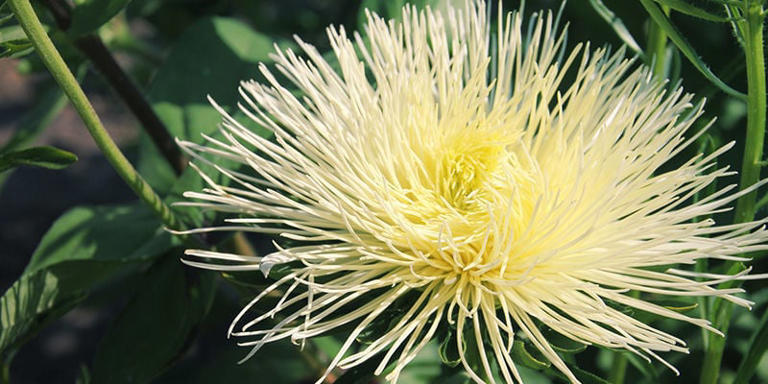
Kanna Plant© Zamnesia.com
What is Kanna?
Kanna is a succulent plant native to South Africa that has been traditionally valued for its mood-supportive and calming properties for generations. Long used in indigenous cultural practices, the plant has more recently gained broader global attention for its potential to promote relaxation, emotional balance, and an overall sense of well-being.
Historically, Kanna was used by the native San hunter-gatherer communities and Khoi people for a variety of purposes, including helping reduce fatigue, ease thirst during long journeys, support emotional resilience, and enhance social and spiritual experiences.
Modern interest in Kanna largely centers around its naturally occurring alkaloids, which are believed to interact with the brain’s serotonin system. Because serotonin plays a major role in mood regulation, stress response, and emotional stability, many users describe Kanna as producing calming, grounding, and mildly uplifting effects without the intensity associated with stronger stimulants or intoxicants.
Potential Benefits of Kanna:
- Elevated Mood and Mild Euphoria: Kanna is often associated with a subtle sense of happiness, emotional lightness, and mental uplift. Researchers believe this effect may be linked to the plant’s interaction with serotonin pathways in the brain, which play an important role in mood regulation and emotional well-being.
- Stress and Anxiety Support: One of Kanna’s most widely discussed qualities is its calming effect on the nervous system. Many users describe feeling more relaxed, emotionally balanced, and mentally grounded without the heavy sedation or impairment often associated with alcohol or stronger substances.
- Greater Ease in Social Settings: Because Kanna may encourage relaxation and reduce feelings of tension or self-consciousness, some individuals report feeling more comfortable, open, and socially at ease during conversations or group interactions.
- A Natural Alternative to Alcohol: For people seeking a different way to unwind, Kanna is sometimes viewed as a plant-based alternative to alcohol. Supporters appreciate that it may provide a calming or mood-enhancing experience without many of the drawbacks commonly linked to drinking, such as hangovers, impaired judgment, or next-day fatigue.
Usage and Experience:
Kanna is available in a wide range of forms, making it adaptable to different lifestyles and preferences. It can be found in gummies, capsules, tablets, teas, tinctures, powdered extracts, and in some traditional practices, even chewed directly as dried plant material.
Because individuals respond differently, the amount used and the method of consumption are often adjusted based on personal comfort levels and the type of experience someone is seeking—whether that is relaxation, emotional balance, or support during periods of heightened stress.
Many people who use Kanna regularly describe it as helping create a calmer internal state, particularly during periods of chronic stress or emotional overload. Some users also report improvements in sleep quality and a greater sense of emotional grounding over time.
One personal account described the experience this way: during periods of elevated stress and anxiety-related insomnia, daily use of a Kanna extract created a noticeable sense of release and calmness, helping the individual feel more emotionally centered and less mentally overwhelmed throughout the day.
3. Psilocybin Mushrooms
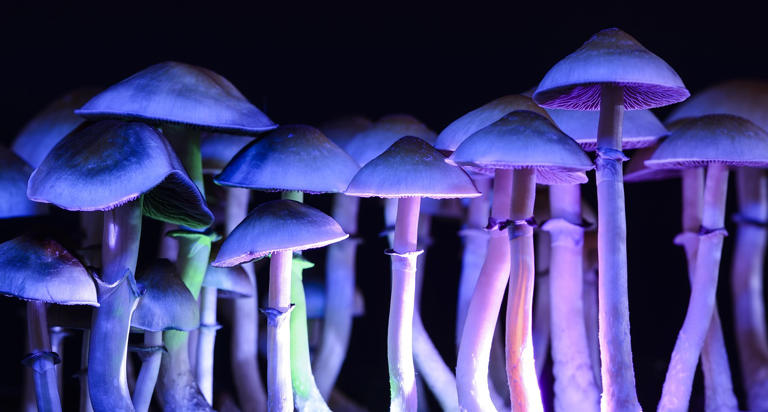
Psilocybin Magic Mushrooms© Pixabay.com
What are Microdosing Mushrooms?
Microdosing Psilocybin mushrooms involves taking very small, sub-perceptual amounts of psychedelic substances—most commonly psilocybin mushrooms—in quantities low enough to avoid a full psychedelic experience while still potentially influencing mood, cognition, and emotional well-being.
Rather than producing intense hallucinations or altered states, microdosing is typically described as creating subtle shifts in perception, focus, creativity, and emotional balance that unfold gradually over time.
Many people who explore microdosing report improvements in mood, productivity, self-awareness, and stress management, which has contributed to growing public interest in the practice in recent years.
Potential Benefits:
- Mood Enhancement and Emotional Lift: Many individuals describe microdosing as creating a gentle sense of optimism, clarity, and emotional openness. Rather than an intense “high,” the experience is often characterized as a subtle improvement in overall mood and daily functioning.
- Stress and Anxiety Support: Some researchers and advocates believe microdosing may support emotional resilience and mental flexibility by encouraging neuroplasticity—the brain’s ability to form new neural connections. Users often report feeling calmer, less reactive to stress, and more emotionally balanced.
- Improved Social Connection: Certain individuals say microdosing helps reduce social anxiety while enhancing empathy, communication, and emotional presence in conversations and relationships, making social interactions feel less draining or intimidating.
- An Alternative to Alcohol for Relaxation: For some people, microdosing offers a different approach to unwinding or mood support without many of the aftereffects commonly associated with alcohol, such as hangovers, emotional crashes, or impaired judgment. Some users also report that it may reduce cravings for alcohol or other substances over time.
Usage and Considerations:
Microdosing typically involves taking very small amounts of psilocybin mushrooms—often in the range of approximately 0.1 to 0.3 grams—on a structured schedule, such as every few days rather than daily use.
The goal is not to experience full psychedelic effects, but rather to remain below the perceptual threshold while potentially benefiting from subtle shifts in mood, creativity, focus, or emotional resilience. Because individual sensitivity can vary significantly, many people carefully monitor their experiences and adjust dosage gradually to determine what feels most balanced for their body and mind.
Some emerging research has also explored possible therapeutic applications. In one study, individuals who self-administered very small doses of psilocybin reported relief from cluster headaches without experiencing significant psychoactive effects.
At the same time, researchers and medical professionals continue to urge caution around self-medicating with psilocybin, particularly outside of supervised or clinical environments.
A few commonly cited concerns include:
- Even at lower doses, some individuals may experience heightened anxiety, emotional discomfort, or unexpected psychological reactions.
- Dosage can be difficult to accurately measure, increasing the risk of taking more than intended.
- Products obtained from unregulated sources may vary in potency, purity, or safety, making consistency difficult to guarantee.
- Because research into long-term effects and ideal protocols is still evolving, experts generally recommend approaching microdosing thoughtfully and with awareness of both potential benefits and risks.
Conclusion
So, if you’re looking to lead a more sober lifestyle there are choices out there! Hard Ketone, Kanna, and microdosing mushrooms are three promising natural alternatives to alcohol that offer a range of benefits from euphoria and stress relief to managing social anxiety. These substances provide healthier options for those looking to eliminate alcohol from their lives while still enjoying similar positive effects.
As with any substance, it’s important to approach these alternatives with caution, do thorough research, and consult with healthcare professionals to ensure safe and effective use. Embracing these natural options can lead to a more balanced and fulfilling lifestyle without the downsides of alcohol.
Next read>>>Why More Women Today are Drinking More Like Their Fathers (msn.com)
Follow me for more self-care inspiration, thoughtful insights, emerging trends and practical ways to live well and thrive.
- Affiliate Marketing
- Affirmations
- AI & Technology
- Astrology & Intuition
- Audience Growth
- Blogging & SEO
- Branding Tips
- Business
- Business Resources
- Careers
- Content Creators
- Design
- Digital nomads
- Digital Products
- Ecommerce
- Email Marketing Tips
- Entrepreneur Tips
- Financial Wellness
- Freebies
- Holidays
- Home Business
- Lifestyle
- Making Money Online
- Media
- Mindset
- Modern Life & Culture
- Monetize
- Money
- Motivation
- Online Business
- Passive Income
- Profitable Niches
- Read the Blog
- Relationships
- Remote Work
- Resiliency
- Reviews
- Side Hustles
- Social Media
- SOCIAL TRENDS/LIFESTYLE
- Socialbuzzhive Blog Posts
- Travel
- Uncategorized
- Video
- Well + Wise Living
- Well Being


I have never heard of any of these. Though I would like more information on all three as well as where to purchase them.
Thanks for your comment. If you click on the links in the post it should provide you with some resources.